












Custom Gobo Monogram Lighting for Weddings: A Complete Guide for San Diego Couples
Few lighting details make a wedding feel as personal as a custom monogram projected across the dance floor or glowing behind the sweetheart table. A well-designed gobo is one of the simplest ways to put your names, initials, or wedding date into the room itself, and it has become a staple of luxury weddings across Southern California. If you have been wondering whether custom gobo monogram lighting for weddings is worth the investment, this guide walks through exactly how it works, where to place it, what it costs, and how to design a projection that looks elegant rather than dated.
What Is a Gobo Monogram?
A gobo is a thin template, usually metal or glass, that sits inside a focused lighting fixture. When light passes through the template, it projects the design onto a surface. A monogram gobo is simply a gobo that displays your personal artwork — typically initials, full names, a wedding date, or a custom illustration. Pattern or texture gobos use abstract shapes (florals, geometric motifs, leaf patterns) to add visual interest to walls, ceilings, or dance floors without spelling anything out. Both options use the same fixtures and the same workflow. The difference is purely creative.
Modern gobo projectors are far more capable than what most people imagine. The fixtures used in luxury wedding production today can throw a crisp, full-color image at 5,000 lumens or more, which means the projection holds up beautifully even when uplighting, chandeliers, or candlelight are part of the same room.
Where to Place a Custom Gobo Monogram at Your Wedding
Placement is what separates a thoughtful monogram from a generic one. The same custom gobo monogram can feel iconic in one spot and forgettable in another, so it is worth planning around your venue’s architecture.
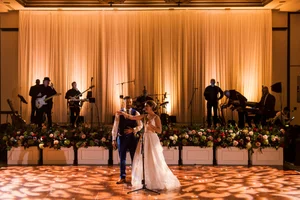
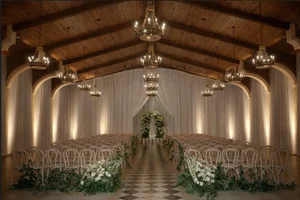
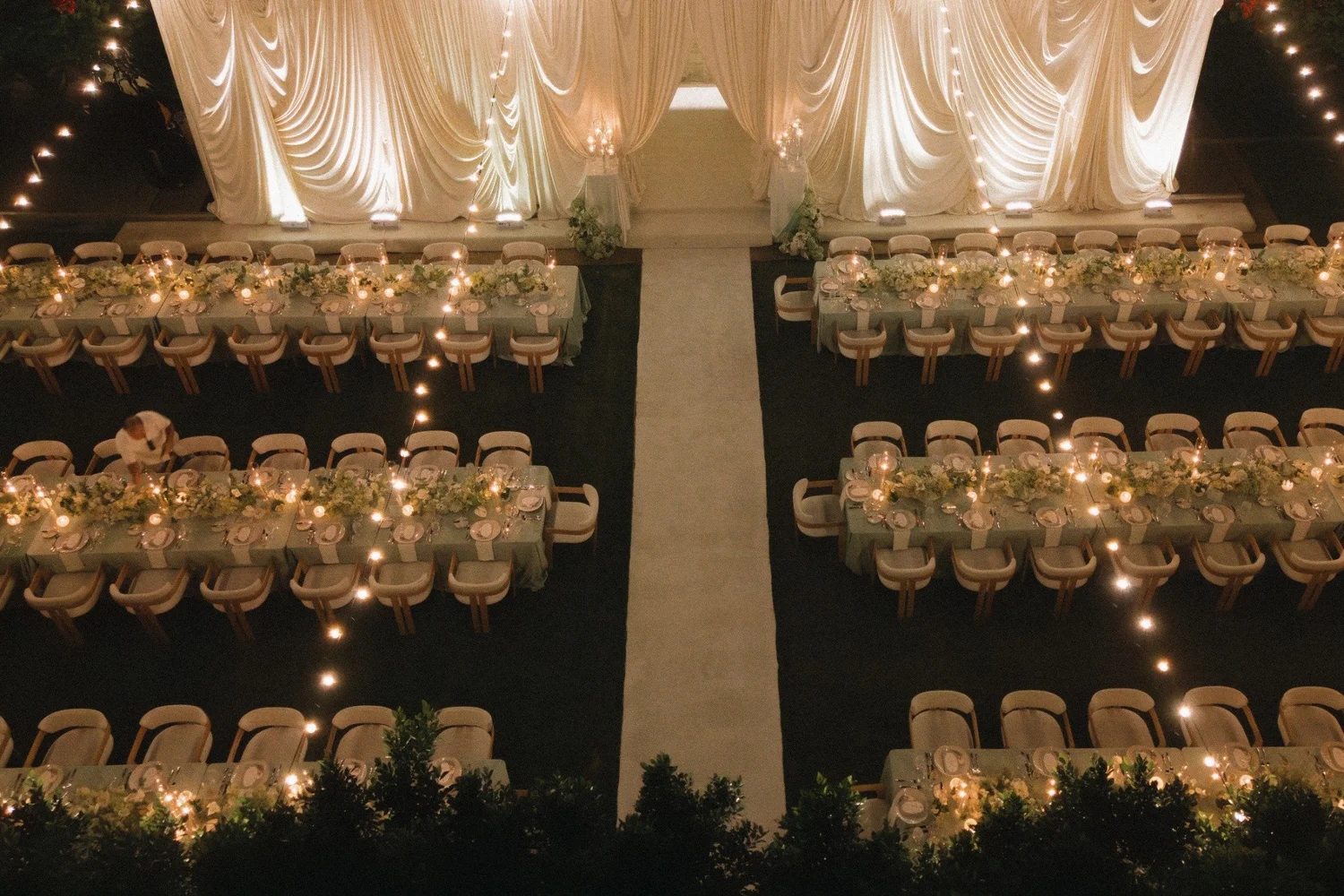
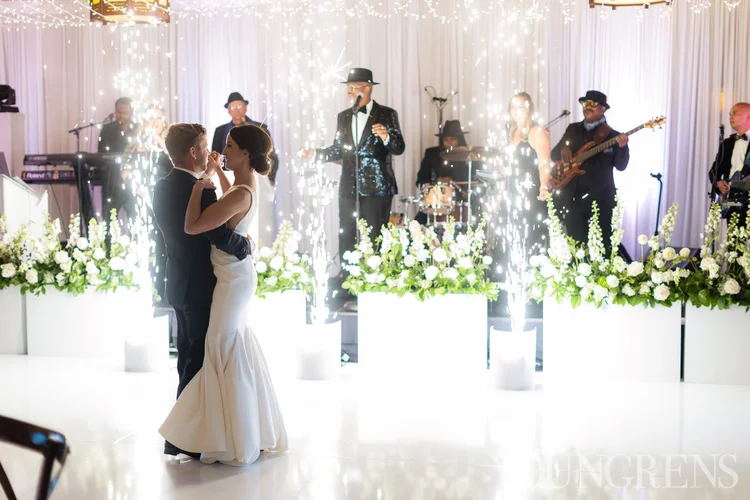
The most popular placement is the center of the dance floor. A clean, well-focused monogram on a wood or polished floor becomes a natural photography moment during the first dance and grand entrance. The second most popular placement is the wall or drape behind the sweetheart table, where the monogram acts as a backdrop for portraits all night long.
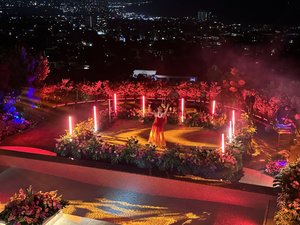
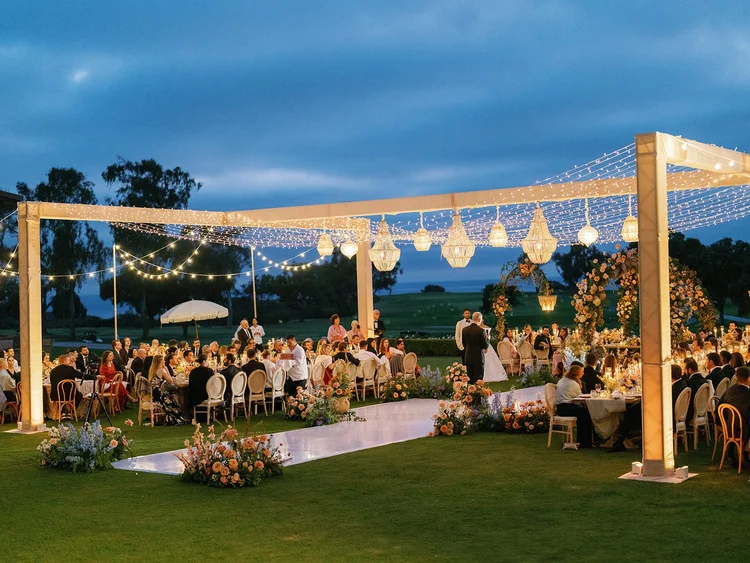
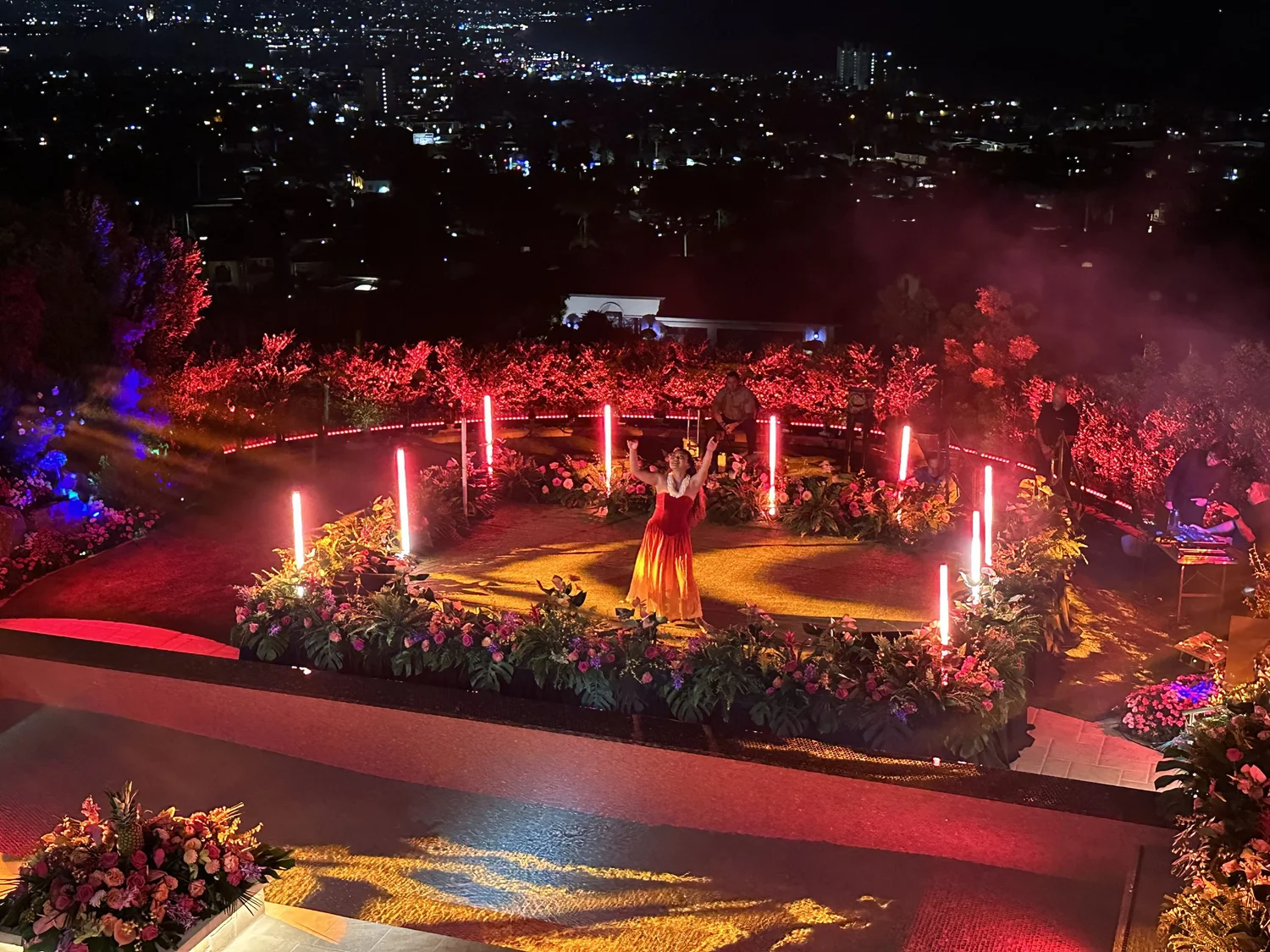
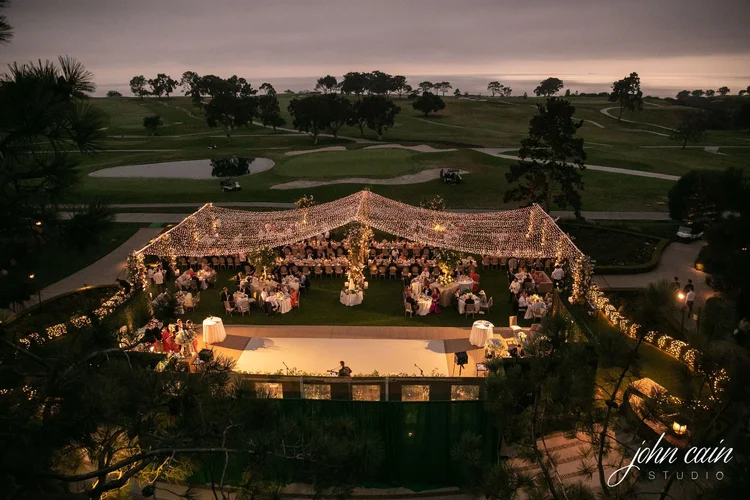
Beyond those two classics, consider projecting onto the ceremony backdrop for arrival shots, the venue’s exterior wall during cocktail hour, a step-and-repeat at the entrance, or even the ceiling above the dance floor for a more theatrical look. Outdoor venues across San Diego — from estates in Rancho Santa Fe to resort lawns at Park Hyatt Aviara — often have beautiful stone or stucco walls that take a projection exceptionally well.
Static vs. Animated Gobos
Most wedding monograms are static, meaning the projected image holds steady for the duration of the event. Static gobos are timeless, easy to read, and look intentional in photographs. They are the right choice for a clean, editorial aesthetic.
Animated gobos rotate, pulse, or shift through a sequence. A subtle animated texture — moving clouds, flickering candles, or a slow swirl behind the band — adds depth and motion without distracting from the rest of the design. Animated monograms (your initials morphing, for example) tend to feel busy and are usually best reserved for high-energy moments like the after-party.
Full-color gobos are produced from glass and can match any palette, including metallic and gradient effects. Single-color metal gobos remain the most popular choice because they read as classic and elegant on every surface.
How to Design Your Monogram
Strong monogram designs share a few qualities: high contrast between negative space and line work, generous spacing between letters, and shapes that hold up at scale. Thin script fonts can look stunning in a sketch but lose definition when projected across a 20-foot dance floor. Bolder serifs, modern sans-serifs, and clean medallion frames almost always project better.
A professional lighting designer will mock up your monogram, test legibility at the projection size you actually need, and adjust line weight before the gobo is produced. Most couples include their initials, full first names, or a combined family monogram. Adding the wedding date underneath is a popular touch for invitations and signage, though it can crowd the design when projected — so you may want to use the date on a smaller secondary gobo or skip it entirely.
Sizing, Brightness, and Surface Considerations
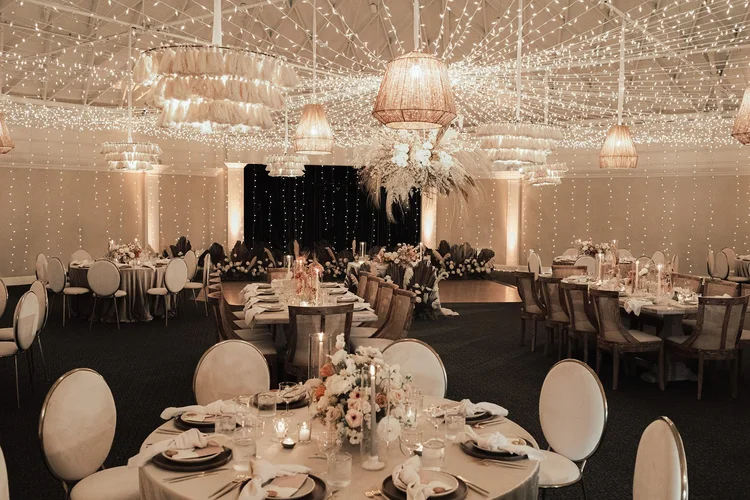
Three technical factors decide whether your gobo looks crisp or muddy. First, throw distance — how far the fixture is from the surface. Longer throws need brighter fixtures and tighter focus. Second, ambient light. A monogram on a dance floor competes with chandeliers, candles, and uplighting, so your lighting team should plan for at least a 5,000-lumen projector and place it where it will not get washed out. Third, surface color and texture. Light wood, polished concrete, white drape, and pale stucco all project beautifully. Dark wood, heavy patterns, and shiny mirrored surfaces are much harder to work with.
The best results come from venues where the lighting designer can do a site visit, confirm power, sight lines, and rigging points, and pre-program the projector before guests arrive.
Custom Gobo Monogram Lighting Cost in San Diego
Pricing varies based on the type of gobo (metal vs. glass), whether the design is single color or full color, how many projection points you want, and the complexity of installation. A single static monogram on a dance floor is the most affordable option. Adding a second projection point — say, the dance floor plus the sweetheart wall — generally doubles the equipment but not the labor, since the team is already on site.
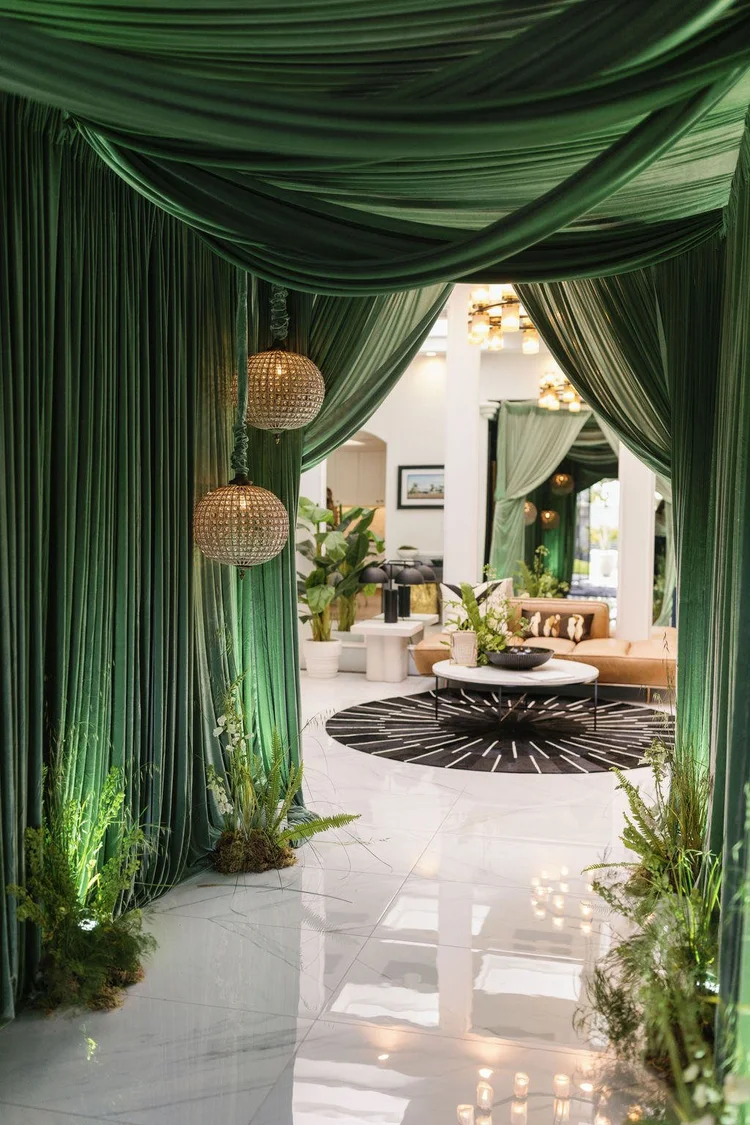
Hanging the projector from a ceiling truss or chandelier rig usually costs more than a floor-mounted projector because it adds rigging time. If you are already booking uplighting or pinspot lighting for centerpieces, bundling your gobo with that order is almost always more cost-effective than ordering a standalone projector from a separate vendor.
Gobo Monogram Lighting for Corporate Events and Galas
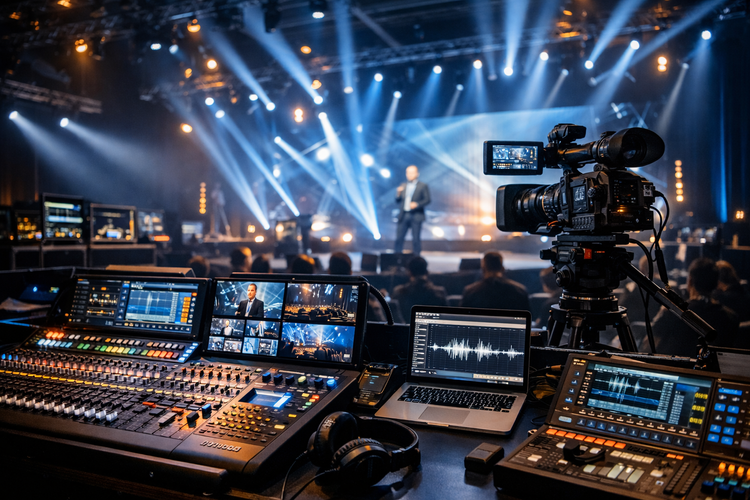
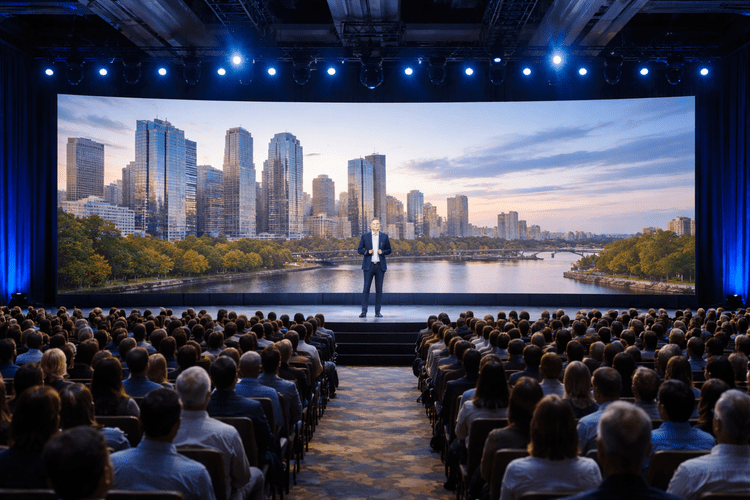
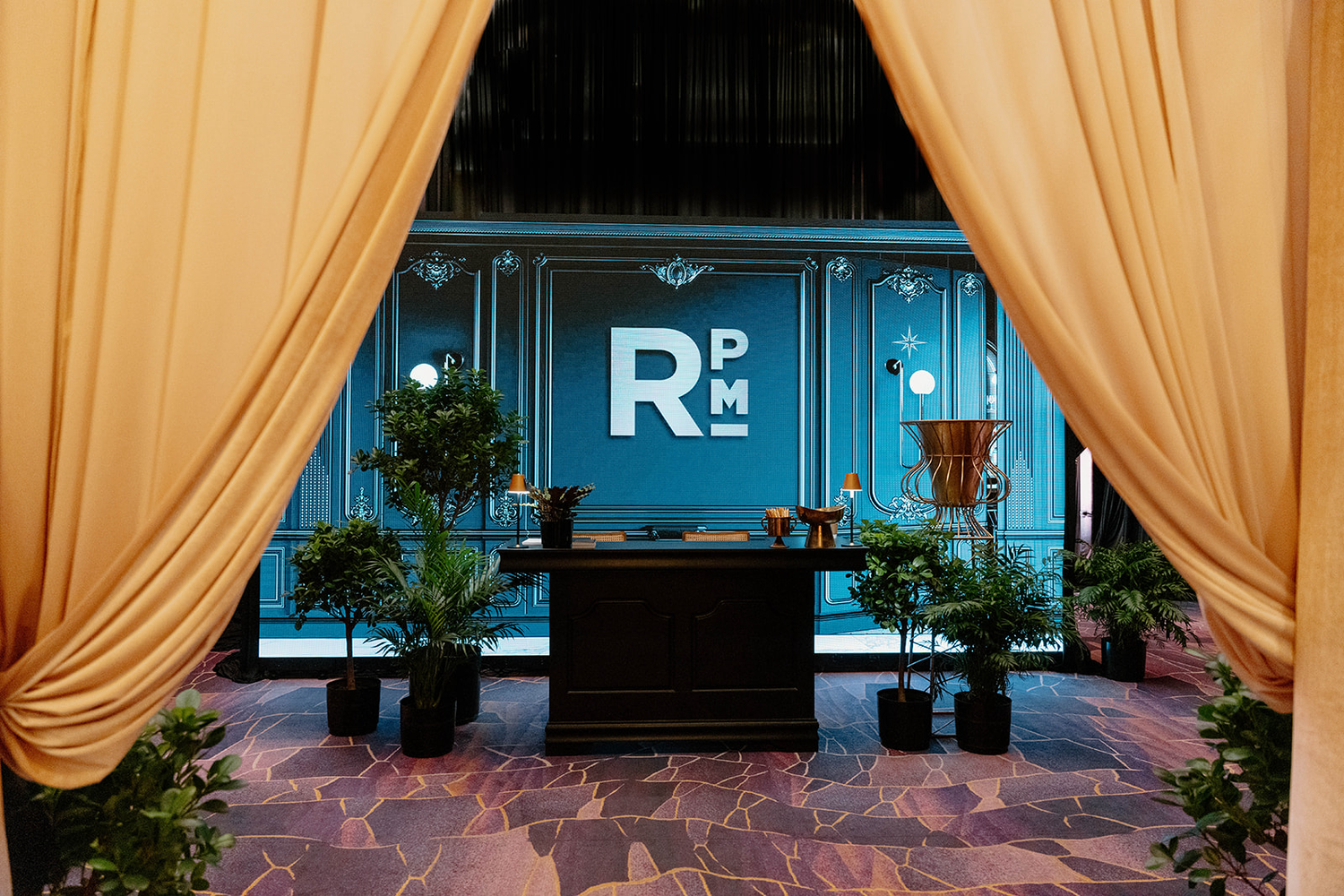
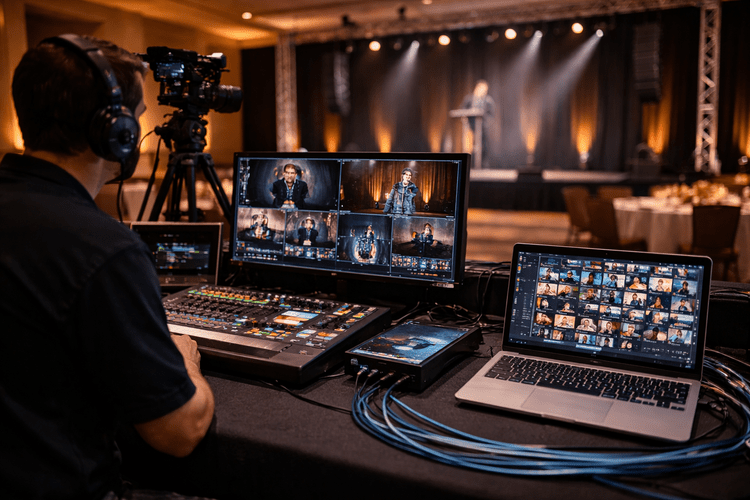
The same fixtures that project a wedding monogram are workhorses for corporate AV production. Sponsor logos, brand marks, animated brand sequences, and architectural texture washes are standard requests for galas, product launches, and conferences across Southern California. Custom gobo monogram lighting for weddings and branded gobo projection for corporate events share the same equipment, the same focus process, and the same design rules — the design just changes.
Ready to Add a Custom Monogram to Your Wedding?
A custom gobo monogram is one of the highest-impact, lowest-effort details you can add to a luxury wedding. It takes a logo or set of initials and turns them into a real, physical part of the room — visible in every wide shot, every first-dance photograph, and every guest’s memory of the night.
If you are planning a wedding, gala, or corporate event in San Diego, Los Angeles, Orange County, or Palm Springs, the Brilliant Event Lighting team designs and produces custom gobo monogram lighting as part of a full lighting plan that integrates with uplighting, pinspots, draping, and stage design. To discuss your monogram concept and get a custom quote, request a free estimate at brillianteventlighting.com/estimate.