





















Pin Spot Lighting vs Uplighting: When to Use Each for Your Wedding Reception
Choosing the right wedding lighting can be the difference between a reception that looks ordinary and one that feels like a true luxury experience. Two of the most powerful tools in a lighting designer's kit are pin spot lighting and uplighting. They serve very different purposes, but together they transform a venue into something unforgettable. If you've been comparing pin spot lighting vs uplighting and trying to decide which one your wedding actually needs, this guide breaks down the differences, the ideal use cases, and how Southern California couples are using both to elevate their receptions.
What Is Uplighting?
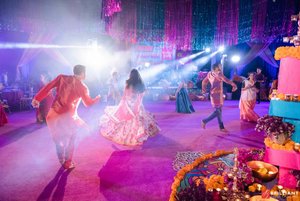
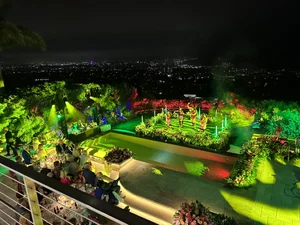
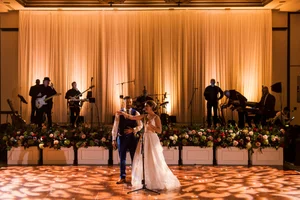
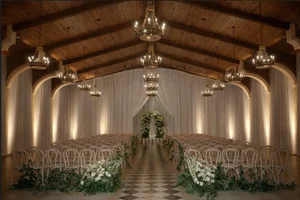
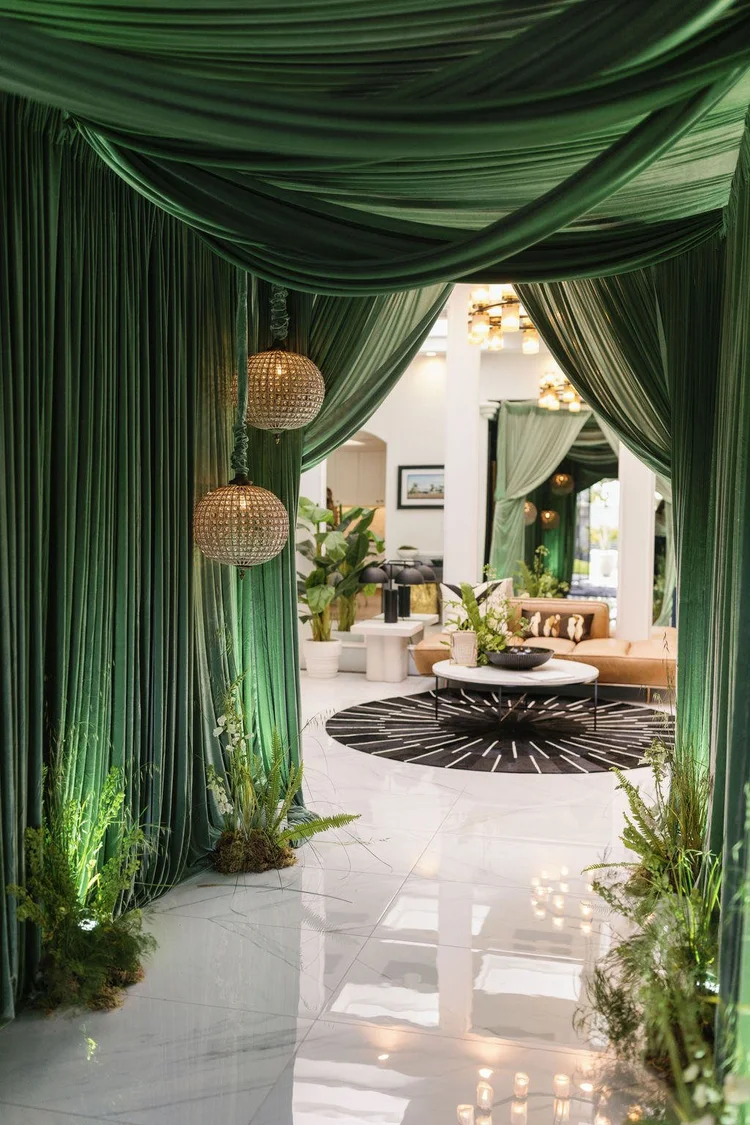
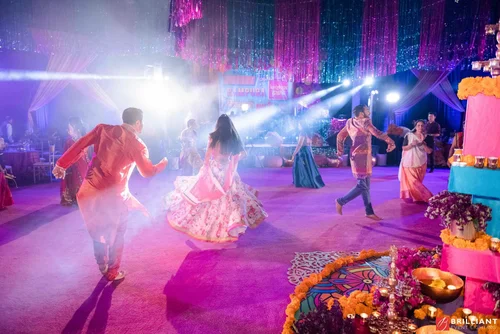
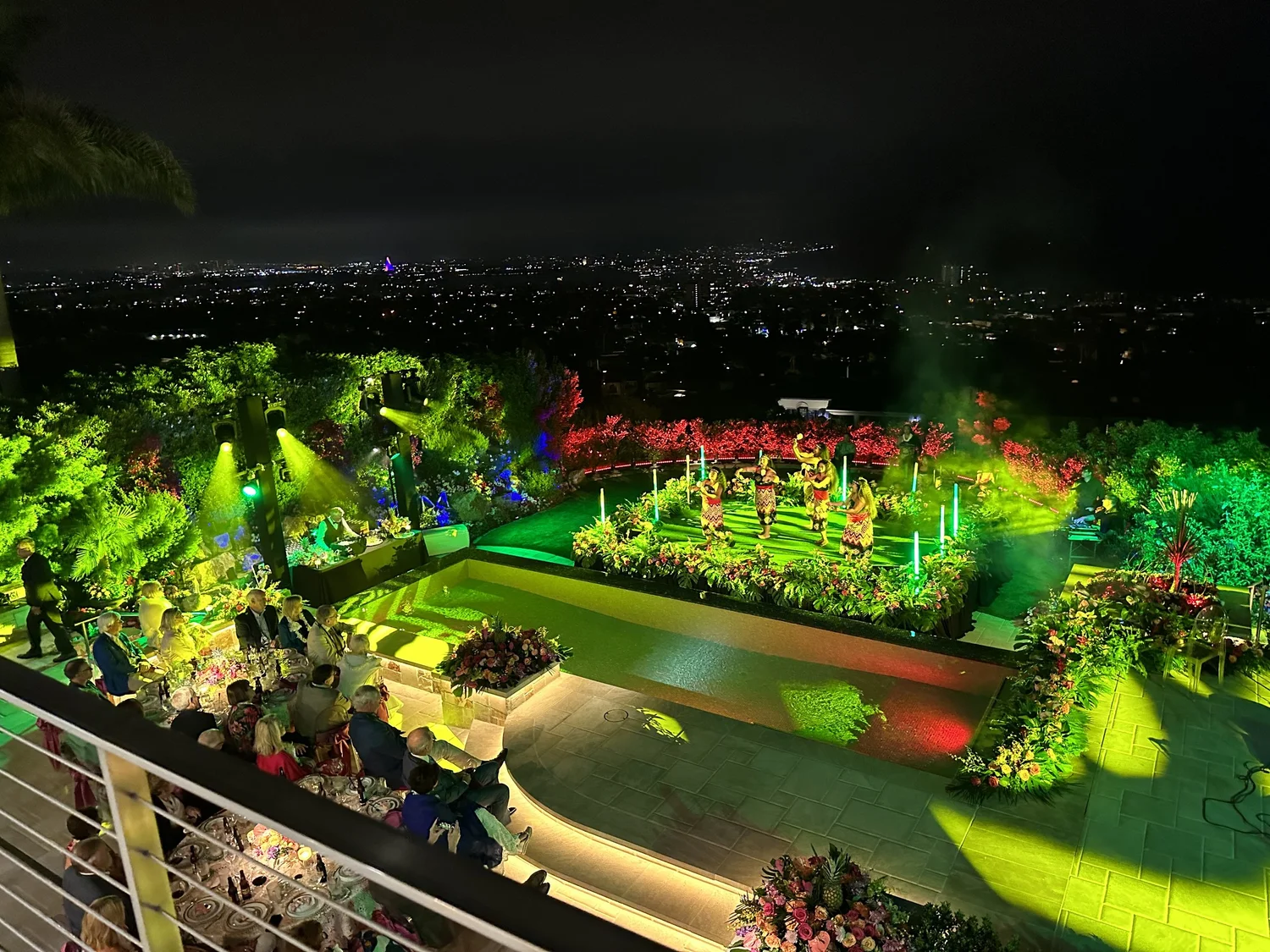
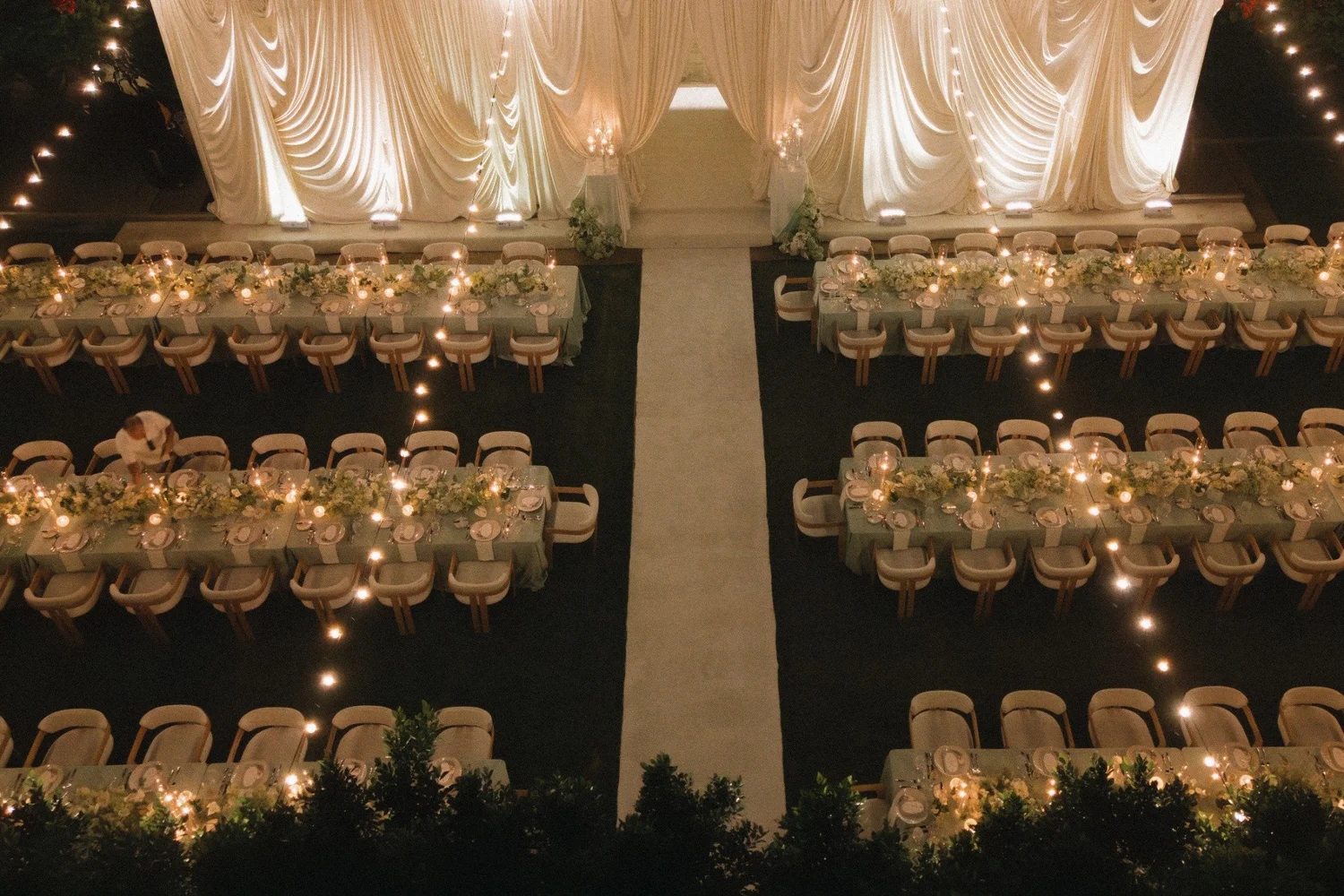
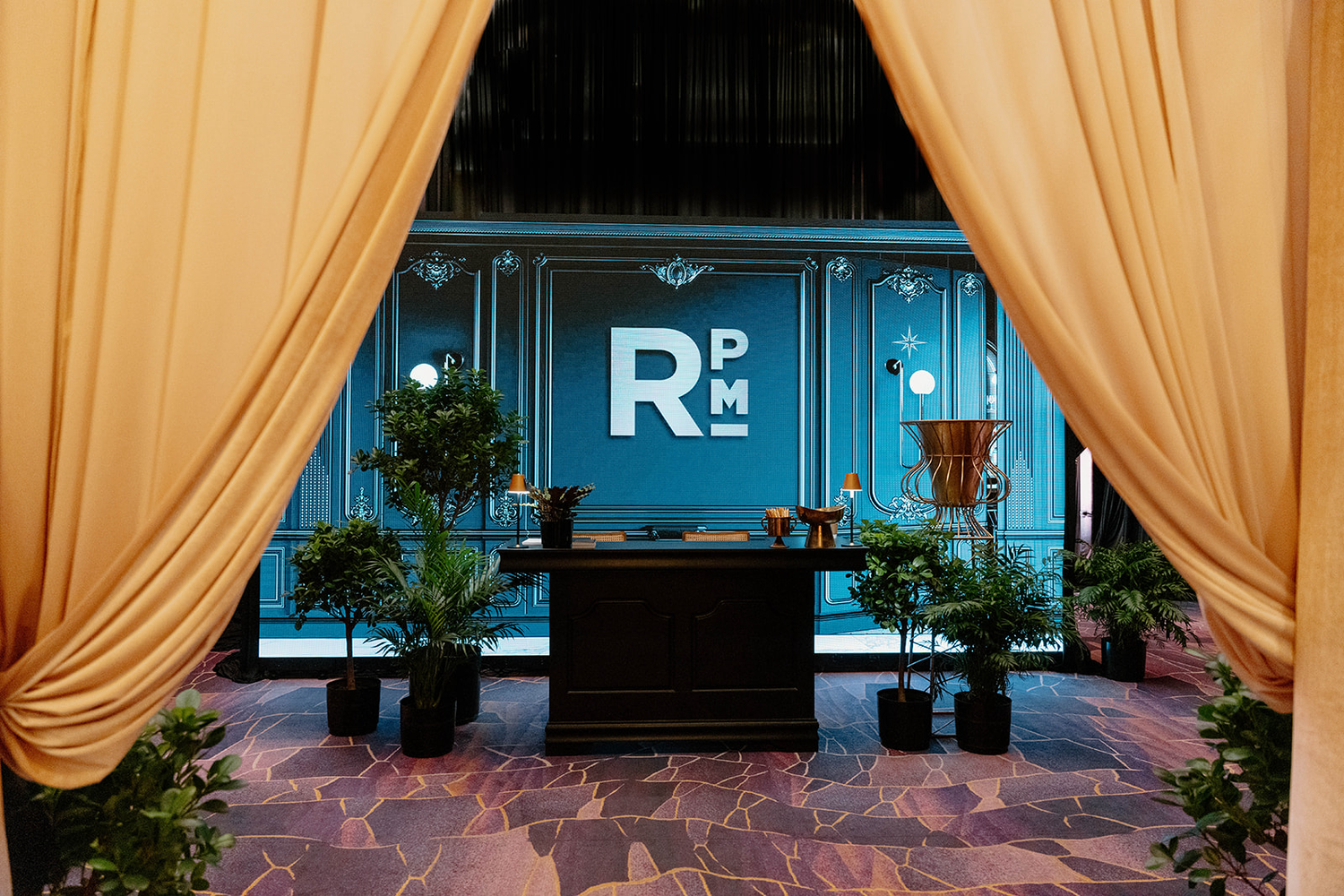
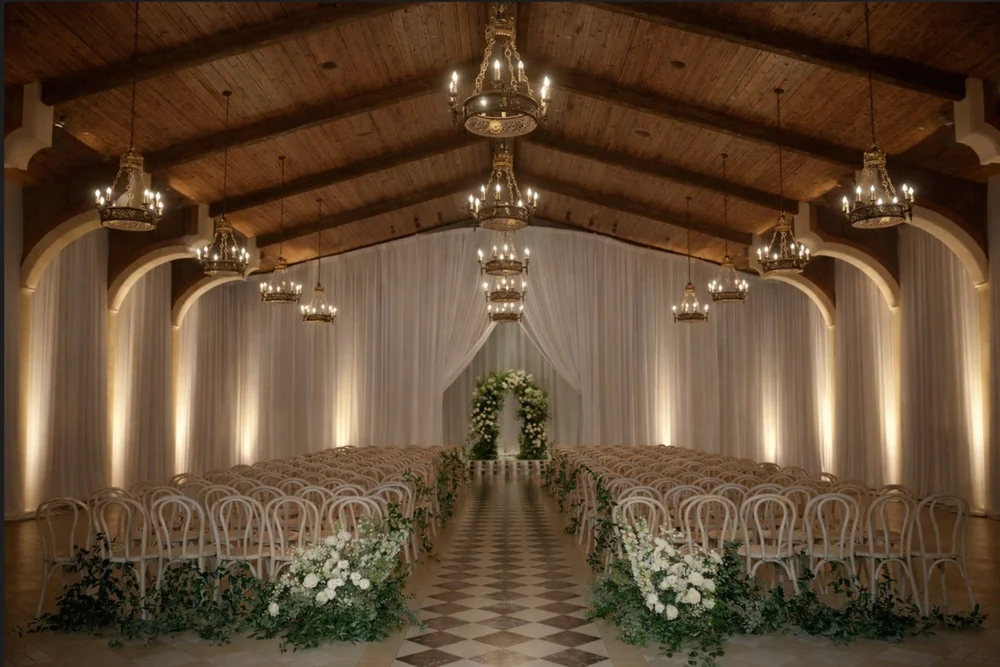
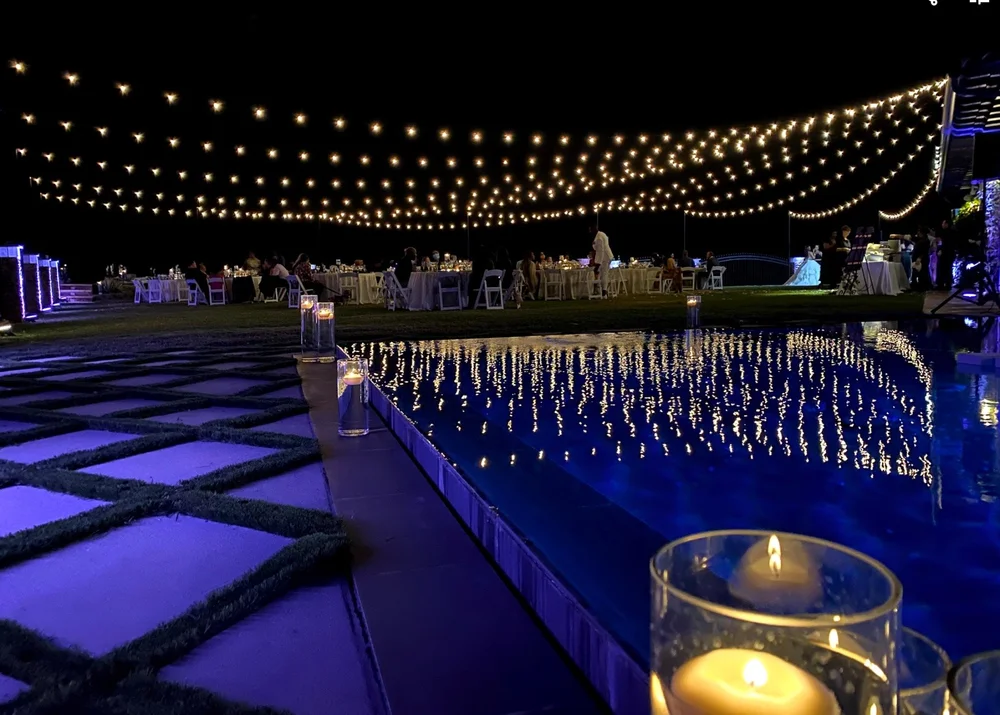
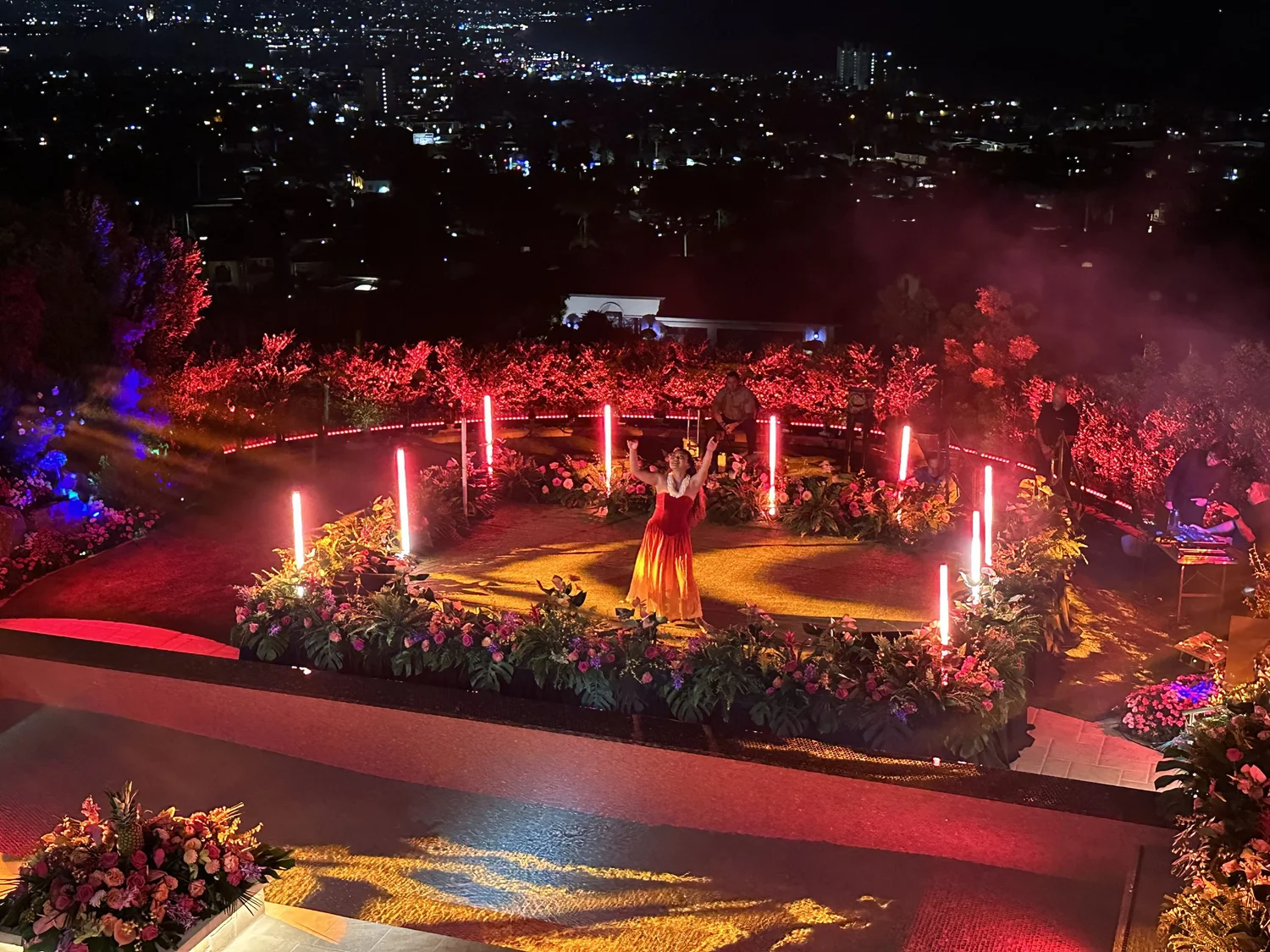
Uplighting is a wash-style lighting technique that uses small, floor-mounted LED fixtures aimed upward at walls, drapery, columns, or architectural features. The fixtures cast a smooth wash of color across vertical surfaces, dramatically changing the mood of the entire room. Modern wireless LEDs allow uplights to be placed almost anywhere, and they can hold a single solid color, fade gently between hues throughout the night, or sync to music.
Uplighting is the foundation of nearly every wedding lighting design we install across San Diego, Los Angeles, and the broader Southern California region. It works in ballrooms, tented receptions, vineyards, beach venues, and historic estates. Whether your wedding palette is blush and ivory, deep burgundy, or icy blue, uplighting fills the room with cohesive color that aligns with your brand and florals.
What Is Pin Spot Lighting?
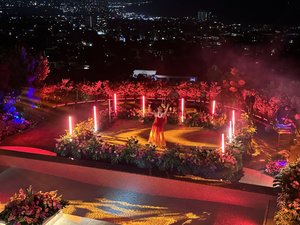
Pin spot lighting is the opposite approach. Instead of washing an entire surface, a pin spot delivers a narrow, focused beam of bright white light from above onto a specific object. The beam is intentionally tight, often only a few feet wide at its target, which creates a dramatic spotlight effect on whatever sits beneath it.
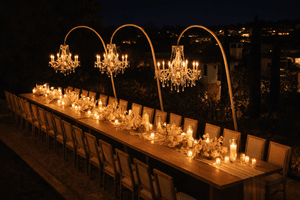
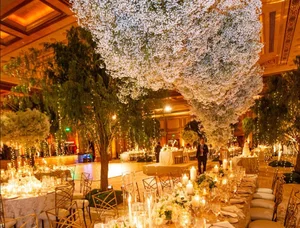
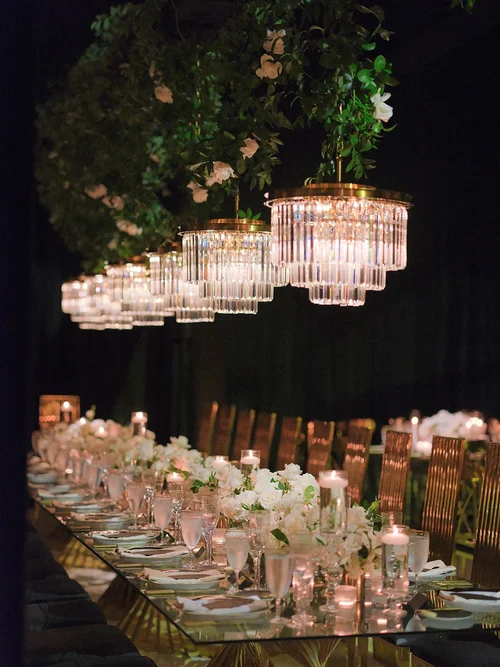
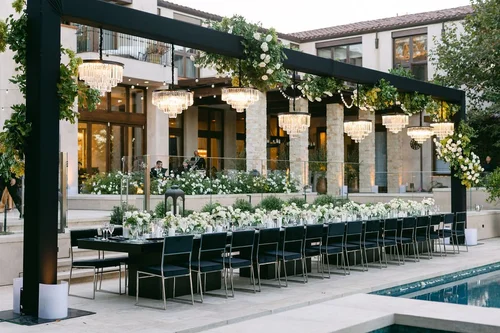
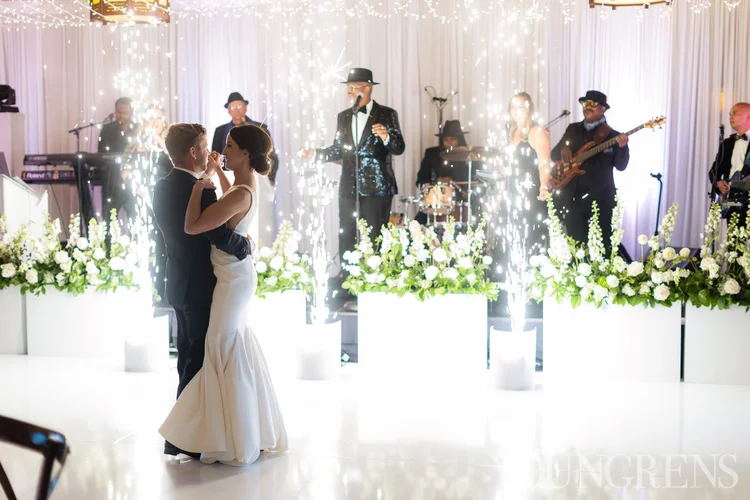
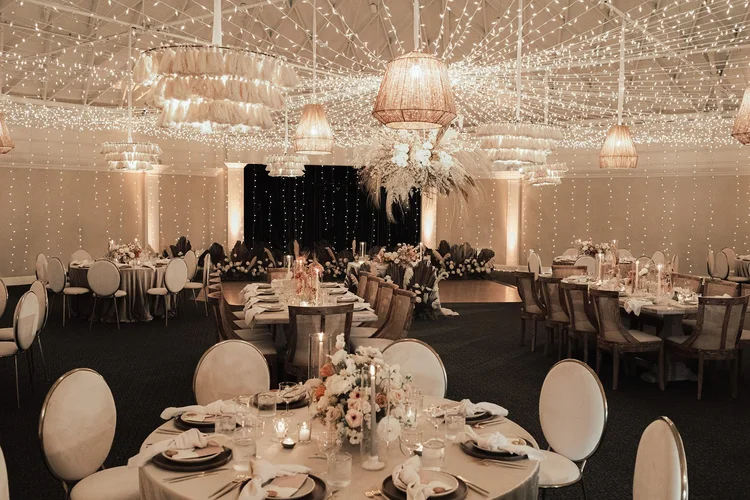
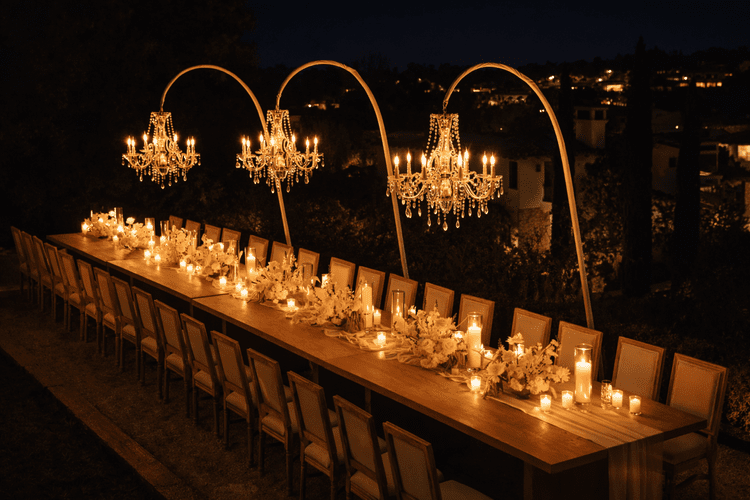
Pin spots are most often used to illuminate floral centerpieces, the cake, escort card displays, head tables, signage, sweetheart tables, and any other detail you spent time and budget perfecting. Without pin spotting, even the most elaborate centerpiece can look flat and washed out under standard venue lighting. With it, every table glows like a magazine spread.
Pin Spot Lighting vs Uplighting: The Key Differences
The clearest way to understand pin spot lighting vs uplighting is to think about what each one is designed to do. Uplighting transforms the room. Pin spotting transforms the details. Uplighting is mounted low and aimed up. Pin spotting is mounted high and aimed down. Uplighting uses color. Pin spotting almost always uses crisp, warm white. Uplighting creates atmosphere. Pin spotting creates focal points.
A useful way to picture it: uplighting is like the soundtrack of the evening, setting the emotional tone in the background. Pin spotting is like the dialogue, drawing attention to the moments that matter most.
When to Use Uplighting
Uplighting belongs at virtually every reception, but it pays off most when you have any of the following:
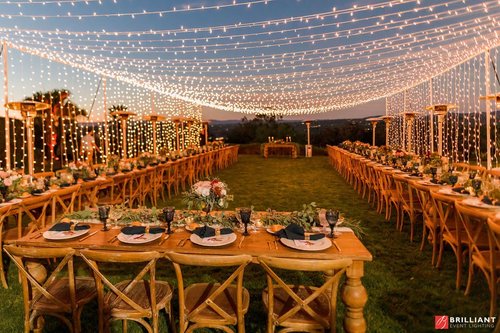
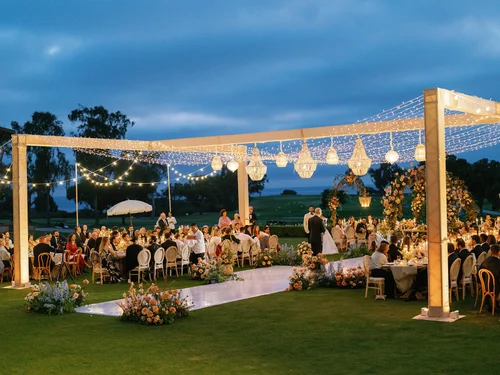
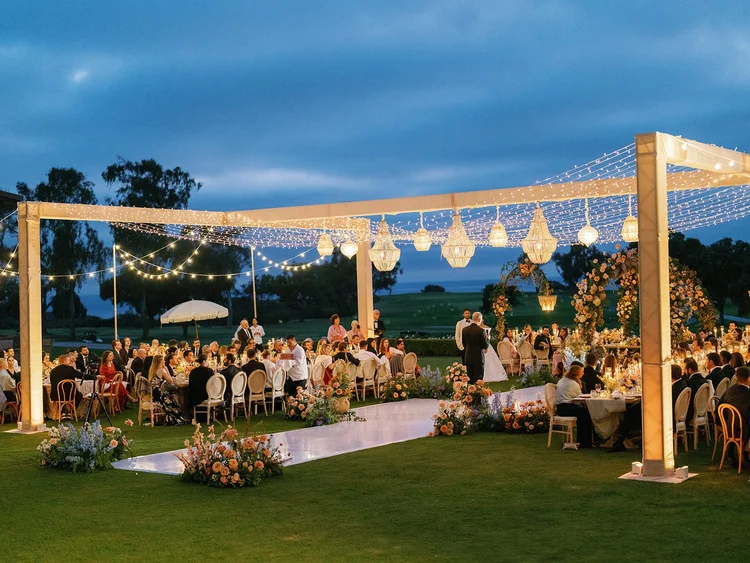
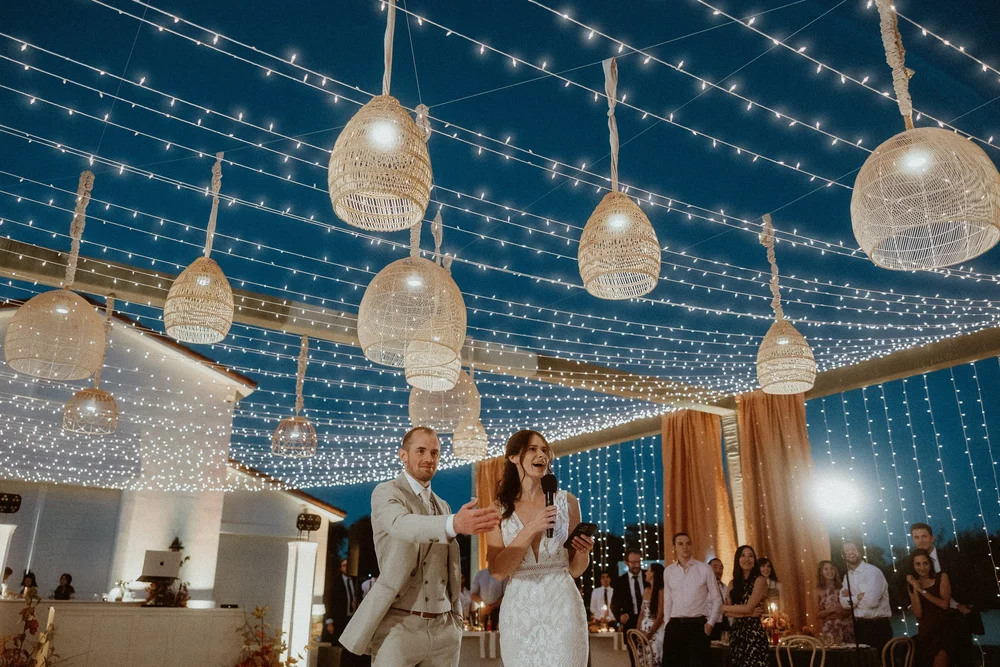
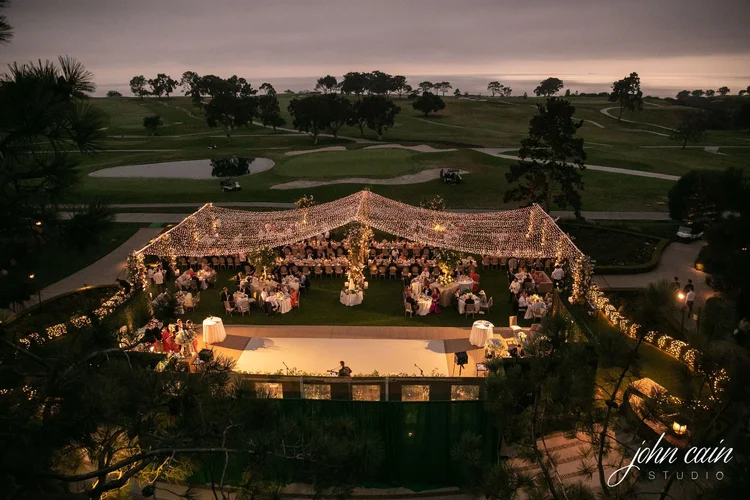
A neutral or visually plain venue that needs warmth and color, such as a hotel ballroom, gallery space, or modern industrial venue. A defined wedding color palette you want carried through the room. Tall walls, drapery, or architectural columns that benefit from being highlighted. A tented reception, where uplighting along the perimeter creates a stunning glow visible from inside and outside the tent. A reception that flows from dinner into a high-energy dance party, where uplighting can shift colors as the night progresses.
Many of the venues we light regularly across Southern California, including Hotel del Coronado, Park Hyatt Aviara, Estancia La Jolla, and the Lodge at Torrey Pines, look completely different with uplighting installed compared to their default house lights.
When to Use Pin Spotting
Pin spot lighting is the right choice when you have details worth showcasing. Specifically, consider pin spots if you have:
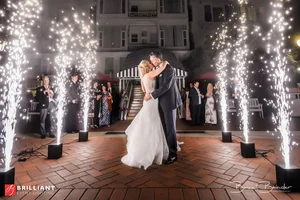
Statement floral centerpieces, especially elevated arrangements you want photographed from every angle. A custom wedding cake that deserves to be the visual centerpiece during the cutting moment. A sweetheart table or king's table that should feel like the focal point of the room. Escort card displays, seating charts, or signature cocktail signage. A grand entrance moment, head table, or stage where you want guests' eyes drawn the moment lighting cues hit.
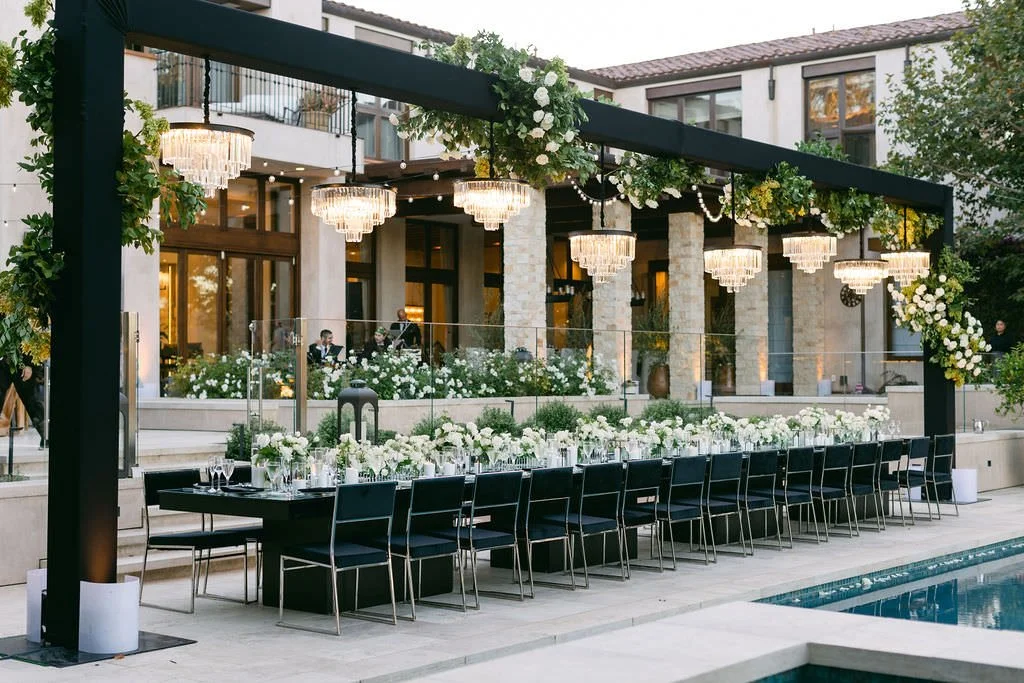
Pin spotting is especially valuable in venues with low ambient light or warm tungsten chandeliers, where details tend to disappear into a soft yellow haze. A pin spot cuts through that haze and makes every detail crisp.
Why Most Couples Use Both
When clients ask us about pin spot lighting vs uplighting, the honest answer is that the two techniques are not really competitors. They are partners. Uplighting handles the room. Pin spotting handles the details. Together they produce the layered, magazine-quality look that defines luxury weddings in Southern California.
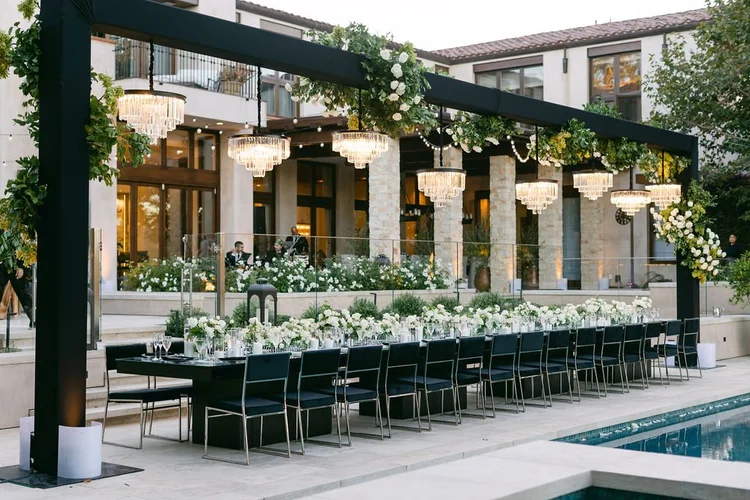
Imagine walking into a reception where the walls glow a warm amber, the drapery shimmers in the same hue, and every centerpiece is bathed in a soft, defined beam of white that makes the florals pop and the linens look textured. That is the result of layering uplighting and pin spotting together. Either technique alone would still look beautiful, but the combination is what photographs end up in your favorite wedding magazines.
How to Plan Your Lighting Design
The earlier you bring a lighting designer into your planning, the more options you have. Walk-throughs are the most valuable step. We typically visit the venue, identify which walls and features benefit most from uplighting, count the centerpieces and feature tables that need pin spots, and design rigging plans for venues where pin spots need to be hung from beams, trusses, or chandeliers.
Budget can also drive the conversation. If you are deciding between pin spot lighting vs uplighting because you can only do one, we usually recommend starting with uplighting in a small room and pin spotting in a large one. Uplighting has the biggest visual impact in intimate spaces. Pin spotting has the biggest impact in large rooms where centerpieces would otherwise feel lost.
Bring Your Reception to Life
Whether you need pin spotting, uplighting, or a fully layered design with both, our team designs and installs lighting for weddings across San Diego, Orange County, Los Angeles, Temecula, and the surrounding Southern California region every weekend. We will walk your venue, recommend the right combination for your space and palette, and execute the install so you never have to think about it on the day of the event.
Ready to see what professional lighting can do for your reception? Request a free estimate at brillianteventlighting.com/estimate and we will put together a custom design for your wedding.